A transfer is a move between surfaces, such as from a bed to a chair. Equipment for that move is different from equipment used to walk or travel once seated. Start with the specific task, the person’s abilities and the help available.
This guide compares transfer aids for older adults and related mobility equipment. Ask an occupational therapist, physical therapist or other qualified clinician to assess difficult transfers and show the user and any helper how to use the selected equipment.
Transfer Equipment and Related Mobility Aids
Belts, boards and patient lifts support different kinds of transfers when appropriate. Bathroom supports, walking aids and power chairs serve other purposes. Do not substitute one for another without checking the task and the person’s needs.
Belts
A transfer or gait belt can give a trained helper a handhold during some assisted moves. It is not a sling and should not be used to lift the person. Ask a qualified clinician if a belt is appropriate and how the user and helper should be trained.
Transfer Boards
A transfer board can bridge two surfaces for certain seated transfers. Before choosing this type of mobility equipment, have a clinician check the person’s sitting balance and ability to take part, the height and stability of both surfaces, and what assistance is needed. Follow the specific board’s instructions and rating.
Mechanical Lifts
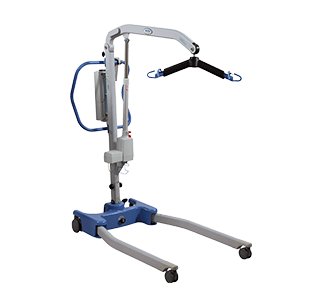
A patient lift supports a transfer and is not a stairlift or elevator. Manual and powered designs are available. Ask a qualified professional to select the lift and the manufacturer-approved sling for the person and train any helpers. Confirm the required number of helpers and the device and sling ratings; do not assume one person can operate every lift alone.
Bath Transfer Benches
A bath transfer bench can provide a seated way to cross a tub edge when the equipment and person are a good fit. Check the tub, floor space, model’s dimensions, weight rating, and how much help the person needs. Ask a qualified clinician or equipment supplier to verify the setup.
Shower Chairs
A shower chair provides a place to sit in the shower; it does not by itself bridge a tub wall. Check the shower footprint, chair fit and rating, and how the person would get to and from the seat. Ask whether a transfer bench or another layout is more appropriate for a tub edge.
Grab Bars
A correctly installed grab bar offers a handhold. Have the location and supporting structure checked for the way the person moves. A bar is not a substitute for a transfer device or help when the person needs it; do not treat a towel rail as a support.
Canes
A cane is a walking aid, not a lifting or transfer tool. A clinician can help check whether a cane provides enough support, choose a type and fit it to the user. Check the route and assistance needs as well.
Walkers
Walkers support walking. Models may have different wheels, brakes or seats; check which type fits the user and route with a clinician. Do not assume a walker is a fixed support for transferring or that its accessories suit every person.
Electric Wheelchairs
A power wheelchair supports seated mobility, not the transfer into the chair. Check seating, controls, approach space, turning room and charging for the actual model. Plan separately for getting on and off and any help the person needs.
Conclusion
Identify the surface-to-surface moves that are difficult and ask which options suit the person, space and available assistance. Request a demonstration and training before relying on the equipment. No device fits every transfer or guarantees independence.
Ask HomePro Mobility what equipment or service is available for your project. Bring the tasks, room measurements and any clinician’s recommendations. Confirm what is included; consult a qualified clinician for a personal transfer plan.

Our Manufacturing Partners · Blog · Resources · Stairlifts · Ramps · All solutions · About · Contact
Restoring Independence. Improving Lives.