
Many families today wonder, “How to make my home handicap accessible?” With mobility challenges becoming common across all age groups, it’s a question that hits home for many. In fact, the ADA reports that nearly 1 in 7 adults in the United States has serious difficulty walking or climbing stairs. That reality makes accessibility devices more than an important consideration for people with mobility challenges.
Maybe you’re planning ahead for aging, helping a loved one, or adjusting after an injury. Each situation comes with its own needs. Accessibility devices can help people move safely and regain their independence. In this blog, we’ll explore practical ways to create a home that works for everyone.
What Are the Ways to Make Your House Handicap Accessible?
Imagine a home where every corner is safe and easy to move through. That’s the goal of making your house handicap accessible. Here’s how to achieve it with practical solutions:
Assess Your Home for Barriers
Taking a detailed walkthrough of your home is a great first step in figuring out what needs attention. Try looking at each room from the perspective of someone using a wheelchair, walker, or cane.
Pay special attention to areas that often cause problems, such as stairs without handrails, slippery floors, or tight spaces that make turning difficult. If you’re wondering, “How to make my home handicap accessible”, this kind of careful observation can give you a clear picture of what changes will make the biggest difference.
Create an Accessibility Plan
To create an accessibility plan, start by prioritizing essential areas such as entrances, bathrooms, and bedrooms. Planning your budget at the same time can help you avoid unexpected costs and ensure upgrades happen in the right order. Many homeowners who look up “how to make your house handicap accessible” find that tackling improvements in phases works best.
“Prioritize, plan, and make your home truly handicap accessible.”
Consider Stairlift Installation for Home
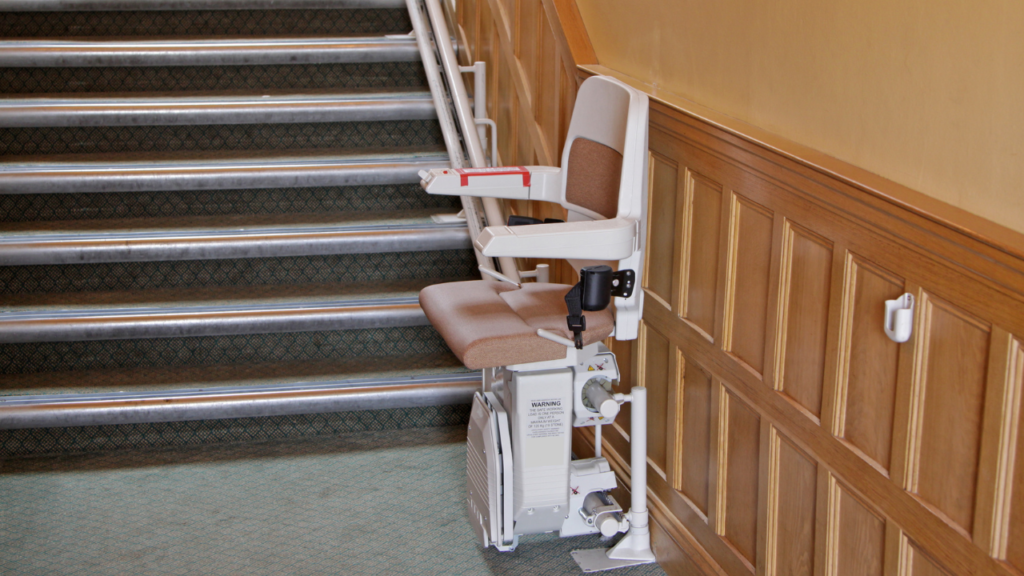
If you’re looking to move around a multi-level home more easily, stairlifts for seniors are one of the best solutions out there. They let you travel up and down the stairs smoothly and safely, so you can move between floors without strain or risk.
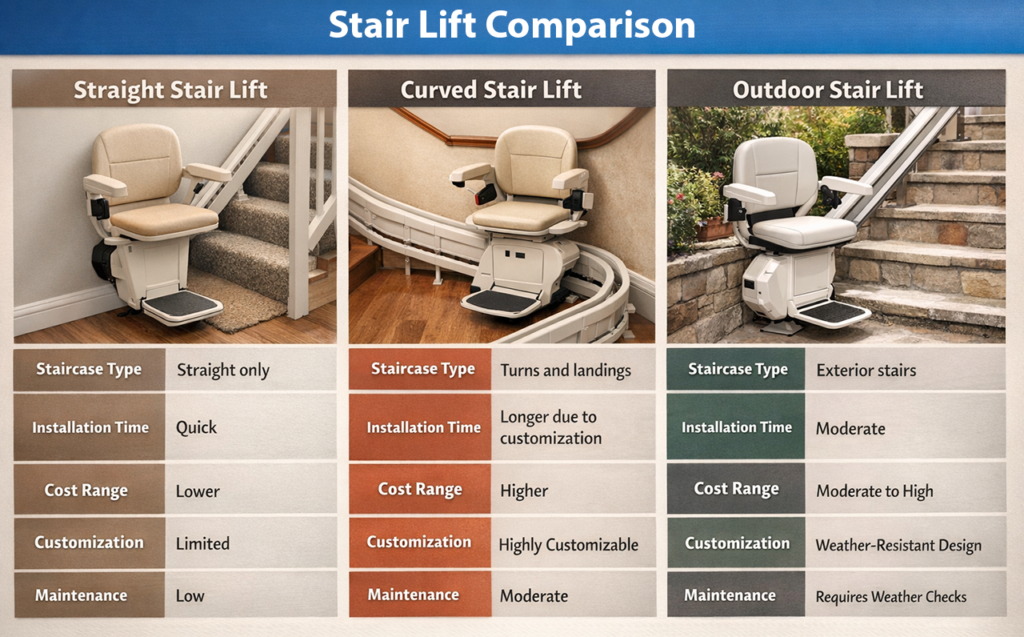
Straight Stairlifts
Straight stairlifts are perfect if your stairs are simple and don’t have turns or landings. They’re also great if you want to make your home accessible without doing major renovations. Models like the Pinnacle Premium SL600, Pinnacle SL300, and Pinnacle Heavy-Duty SL600HD are known for quiet, smooth rides and folding designs that take up minimal space on your stairs.
Curved Stairlifts
Making your home truly handicap accessible can be simple with a curved stairlift. These lifts follow the natural shape of your staircase, even with turns or landings, so moving between floors feels safe and effortless. Models like the Harmar Helix Curved Stairlift and Handicare Freecurve Curved Stairlifts combine easy controls and advanced safety features to fit your lifestyle.
Outdoor Stairlifts
Outdoor stairlifts allow you to extend accessibility beyond the interior of your home. They are built to withstand all types of weather while ensuring safe access to porches, decks, and garden areas. Installing an outdoor stairlift makes it easier to maintain independence and enjoy your outdoor spaces without obstacles.
Choosing the Right Stairlift for Your Home
| Type | Best For | Example Models |
| Straight | Stairs without turns | Pinnacle SL600, SL300, SL600HD |
| Curved | Stairs with turns or landings | Harmar Helix, Handicare Freecurve |
| Outdoor | Outdoor stairs | Summit Outdoor Stairlifts SL350OD, Handicare 1000 Outdoor Stairlift |
Install Transfer Aids and Support Features
Making movement between surfaces easier can really boost safety and confidence in daily life. A few transfer aids for the disabled to consider include:
- Grab bars: These transfer aids provide steady support when standing or moving from one spot to another, helping maintain balance and confidence.
- Transfer boards: Installing a transfer board creates a safe bridge for easier transitions, such as moving from a wheelchair to a bed or chair.
- Safety belts: These aids add an extra layer of security, giving both users and caregivers peace of mind during transfers.
Improve Entry Points and Mobility
Safe entry points are a top priority when making a home accessible. If you’re wondering, “how to make my home handicap accessible”, start by replacing steps with an ADA-compliant wheelchair ramp. A well-designed ramp provides a smooth transition in and out of the house. The right slope, surface, and handrails make it comfortable and easy to use every day.
Vertical platform lifts offer another solution for homes with limited space. These lifts allow wheelchair users to move between levels without major structural changes. These lifts work well for porches, garages, or small elevation changes inside the home.
Important Fact: Did you know that, according to the NIH, over 6 million adults in the United States rely on mobility devices, and about two-thirds of them are over the age of 65?
Upgrade Bathrooms for Safety
Bathrooms often pose some of the biggest challenges when making a house accessible for people with disabilities. According to the CDC, nearly 80% of bathroom falls in the United States result in major injuries.
This is why installing a walk-in tub is important, because it makes entry easy without stepping over high edges. You can also consider barrier-free showers with zero-threshold entries, removed curbs, and slip-resistant surfaces.
Improve Flooring and Lighting
When it comes to making a home more accessible, the flooring you choose can make a big difference. Smooth, non-slip surfaces make it easier and safer to get around, while thick carpets can actually make things harder for wheelchair users.
You can also choose materials such as vinyl or hardwood for greater mobility. Proper lighting is more important than many people realize. Brighter lighting reduces the risk of accidents. Additionally, motion-sensor lights add convenience, especially at night.
Final Advice on How to Make Your House Handicap Accessible
Accessibility is not just about compliance. It is about creating a home where everyone feels safe, comfortable, and independent. By assessing your home, planning upgrades, and implementing practical solutions like stairlifts, ramps, grab bars, and improved lighting, you can make daily life easier.
At HomePRO Mobility, we offer mobility solutions to make your home handicap accessible. From trusted stairlift brands to wheelchair ramps, transfer aids, and other essential mobility equipment, we provide practical options that fit your home and lifestyle. Contact us now and take the first step toward freedom at home.
Frequently Asked Questions
How Do I Start Making My Home Handicap Accessible?
Start with a complete assessment of your home, identifying barriers like stairs, tight spaces, and slippery floors. Then, create an accessibility plan that prioritizes essential areas such as entrances, bathrooms, and bedrooms.
How Much Does It Cost to Make a Home Handicap Accessible in the U.S.?
The cost of making a home accessible in the U.S. depends on the type of changes needed, the size of the home, and the extent of the modifications.
Does Medicare or Insurance Cover Home Modifications?
Medicare usually does not cover home modifications like ramps or widened doors. However, some Medicare Advantage plans, Medicaid programs, or Veterans Affairs (VA) grants support home improvements.
