On this page
Watching your parents get older is one of the hardest feelings in the world. However, if they have mobility issues, that feeling is even worse. According to the NIH, mobility issues affect over 40% of U.S. adults aged 65 and older, making it the most common disability in this age group.
Many safety experts recommend equipping your home with mobility aids, proper lighting, and major safety modifications. In this blog, we will discuss “how to make your home safe for elderly parents.” You’ll also learn about practical ways to identify fall risks, choose the right mobility equipment, and create a safer living environment that supports your independence.
“When movement is tight, home can turn into a hazard overnight.”
Is Your Home Truly Safe for Your Elderly Parents?
This is probably the first question on your mind when considering safety for your parents with mobility issues. When you begin wondering how to make your home safe for elderly family members, concerns about falls, slips, and daily independence come into focus. According to the CDC (Centers for Disease Control and Prevention), falls are a leading cause of injury among adults aged 65 and older.
Every year, more than 1 out of 4 older adults falls. That is why spotting the hazards that could cause a fall or injury for your parents should be the top priority. Many occupational therapists often recommend home modifications to reduce fall risk and support independent living. Additionally, aging in place means making home modifications that allow seniors to live safely and independently for longer.
How to Identify Fall Hazards for Your Parents?
The first step is spotting the hazards that could cause a fall or injury. This doesn’t need to be complicated when considering fall prevention for the elderly at home. Consider the following senior home safety checklist to find:
- Clutter and Obstructed Pathways: Take a moment to walk through your parents’ home and notice how easy it is to move around. You might find small things like loose rugs, scattered shoes, or wires across the floor that don’t seem like a big deal at first. But for older adults, these can quickly turn into tripping hazards.
- Poor Lighting in Major Areas: Lighting often gets overlooked, but it plays a major role in preventing falls. If a hallway feels a little dim to you, it’s probably much harder for your parents to see clearly, especially at night.
- Unsafe Bathroom Surfaces: Bathrooms can be tricky because water and smooth surfaces don’t combine well with limited mobility. Think about stepping out of a shower onto a wet floor without anything to hold onto. That situation alone can increase the risk of slipping.
- Stairs Without Proper Support: Stairs are one area where even a small misstep can lead to serious injury. If the handrails feel loose or there’s only one side to hold onto, your parents might not feel fully supported. You may also notice worn steps or uneven surfaces that can cause a slip.
- Unstable Furniture: Furniture should feel supportive, not something your parents have to struggle with. If a chair moves when they try to sit, or a bed is too high to get onto comfortably, it can throw off their balance. These everyday challenges are easy to miss unless you pay close attention.
- Outdoor Entry Hazards: Safety doesn’t start at the front door. In fact, it begins outside. Uneven walkways, cracked steps, or poor lighting near the entrance can make it harder for your parents to get in and out safely. Even something as simple as rain can make surfaces slippery.
- Lack of Safety Equipment: Sometimes the biggest risks come from what’s missing rather than what’s present. If there are no grab bars in the bathroom or no handrails where they’re needed, your parents have fewer ways to support themselves.
Ways to Make Your Home Safer for Your Aging Parents
Adapting a familiar space to keep parents safe requires careful thought and practical solutions. As you read on, you’ll find clear steps and realistic ideas that show “how to make a home safe for seniors” without overwhelming them. Follow these home safety tips for older adults:
Furniture and Layout Updates
A clutter-free room can make a big difference when it comes to preventing falls. Take a look around and make sure there’s enough space for your parents to move around comfortably without bumping into things.
Try to arrange furniture so your parents can move around without hesitation. It also helps to have chairs and beds at a height that feels natural to sit on and stand up from. Additionally, you can consider installing transfer aids to assist with daily transfers, such as those between bed and wheelchair.
Bathroom Safety Remodels
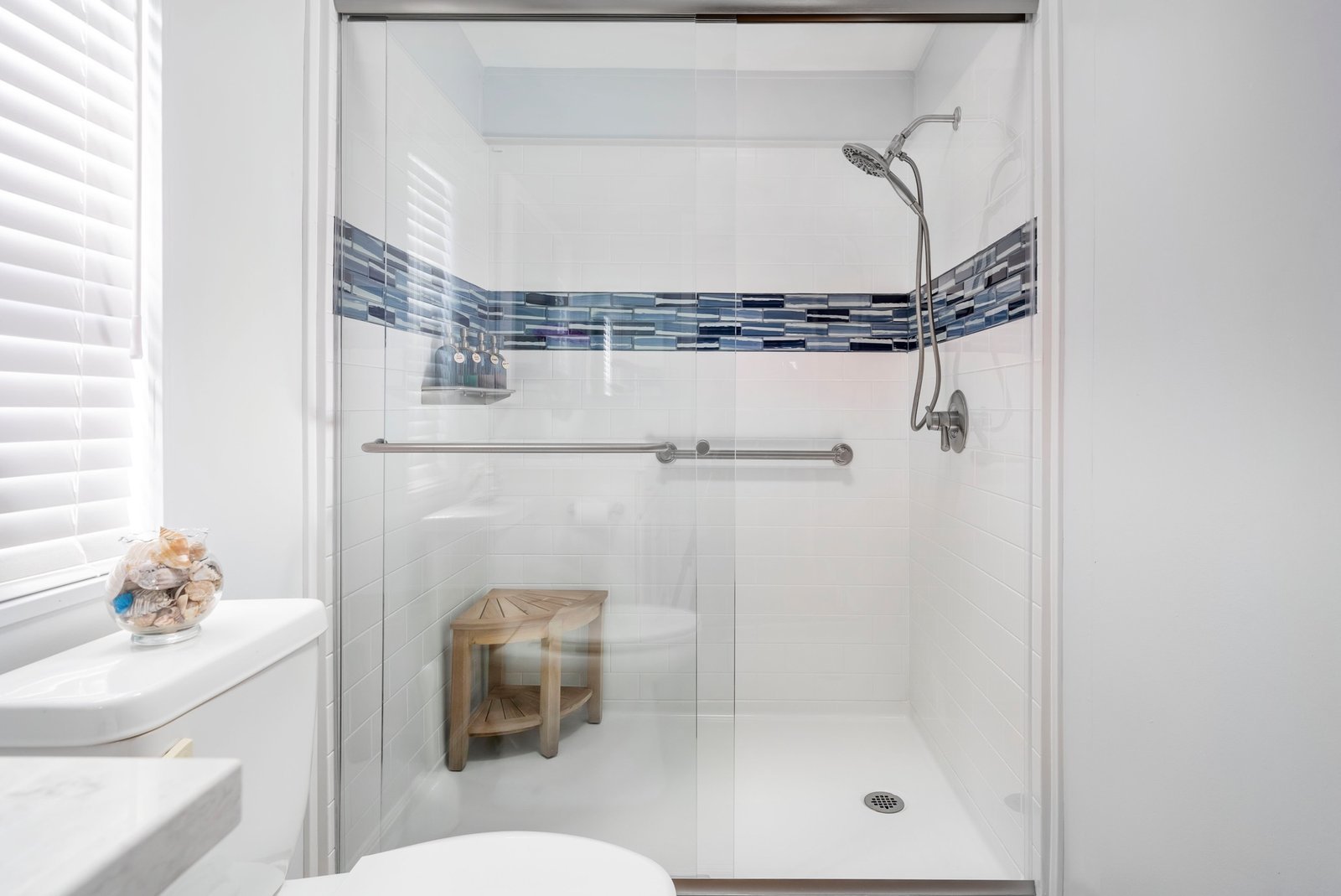
Bathrooms account for a large percentage of in-home falls due to wet surfaces and limited support points. Installing grab bars near the toilet and inside the shower helps prevent slips & falls.
Walk-in tubs are often recommended for individuals with limited mobility as they reduce step-in height. Plus, installing barrier‑free showers also eliminates the need to step over a threshold, creating a safer bathing experience.
Stair and Access Aids
For homes with stairways, adding sturdy handrails on both sides is a baseline safety feature. But for seniors with reduced strength, even supported stairs can be difficult to manage. This is where mobility systems like straight stair lifts and curved stair lifts become invaluable. These assistive devices safely transport a person up and down the stairs.
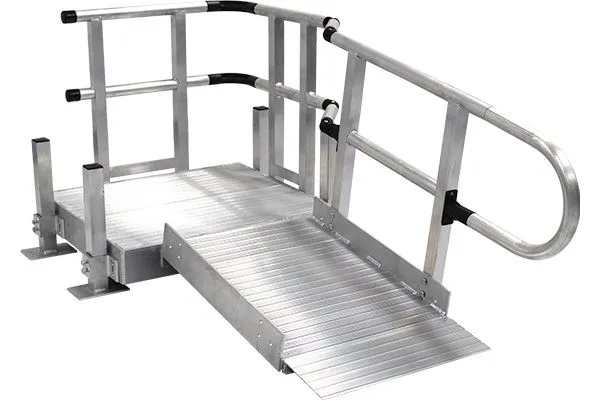
If your parents use a wheelchair or scooter, consider installing ADA-compliant wheelchair ramps or a vertical platform lift to enhance access to elevated spaces. These mobility solutions for your parents can make thresholds and multi‑level homes accessible without stress.
Lighting Improvements
Bright, evenly distributed lighting can make a big difference in home safety for seniors. Make sure hallways, stairs, and bathrooms are well-lit, and consider adding night lights or motion-sensor lights for extra support at night. Simple changes help your parents move around with more confidence.
Mobility Assistance Equipment to Consider for Your Parents
| Mobility Aid Type | Why It Helps |
| Straight Stair Lift | Comes in standard models that fit most straight staircases. |
| Curved Stair Lift | Custom-built to match the exact stair shape. |
| Outdoor Stair Lift | Designed to withstand weather and make outdoor access safe. |
| Vertical Platform Lift | Lifts seniors and wheelchairs between different levels. |
| Ramp Systems | Allows smooth wheeled mobility across thresholds. |
| Walk‑In Tub | Provides a safer bathing environment with a low step entry. |
| Barrier‑Free Shower | Eliminates barriers for walking or wheeling into the shower. |
| Transfer Aids | Assists with lifting and sitting transitions with minimal strain. |
Closing Remarks on Home Modifications for Elderly Parents
Creating a safer space for your parents is an ongoing effort that brings peace of mind to the whole family. When you focus on how to make your home safe for elderly loved ones, small changes can lead to lasting comfort and independence. Taking the time to understand how to make a home safe for seniors helps your parents live with confidence every day.
At HomePRO Mobility, we help make your home safer and easier for your parents with mobility solutions like stair lifts, ramps, transfer aids, and more. Contact us today and find the right mobility equipment for your home.
Frequently Asked Questions
What Is the Biggest Trip Hazard at Home for Seniors?
The biggest trip hazards in home safety for seniors include bathrooms, staircases, cluttered pathways, and unstable furniture.
How to Prevent Falls in the Elderly at Home?
Preventing falls at home can be simple with the right adjustments. Mobility equipment like ramps or stair lifts can also make moving around a lot safer and easier.
What Are the Best Assistive Devices for Seniors?
The best assistive devices for seniors include stair lifts (straight, curved, and outdoor), vertical platform lifts, wheelchair ramps, walk-in tubs, barrier-free showers, and transfer aids.

Our Manufacturing Partners · Blog · Resources · Stairlifts · Ramps · All solutions · About · Contact
Restoring Independence. Improving Lives.