
Best Mobility Aids for Seniors in 2026 include stairlifts, ramps, and lift chairs. Walk-in tubs, barrier-free showers, and transfer aids also support safer daily movement. The right choice depends on mobility needs, home layout, balance concerns, and routines. These solutions reduce fall risks, support caregivers, and help seniors stay independent at home.
What Are the Best Mobility Aids for Seniors in 2026?
The best mobility aids for seniors are those that solve real safety challenges. Some people need safer movement between floors. Others need easier bathing, smoother entryways, or stronger sitting support. In 2026, many families want home mobility solutions that support aging in place. These solutions work best when they match daily routines and home safety needs.
Which Mobility Aids Help Seniors Walk More Safely?
Walking safely often starts with the right level of support. Some seniors only need light balance help during short walks.
Canes for Light Balance Support
Canes can help seniors who feel mildly unsteady while walking. They are often used for short distances and simple daily movement. Proper height and a comfortable grip are important for safe use.
Walkers and Rollators for Stronger Stability
Walkers provide steady balance during slower movement. Rollators include wheels, brakes, and a seat for rest breaks. Lightweight rollator walkers for elderly users may include ergonomic hand grips, compact frames, and smoother wheel control.
Mobility Scooters for Longer Distances
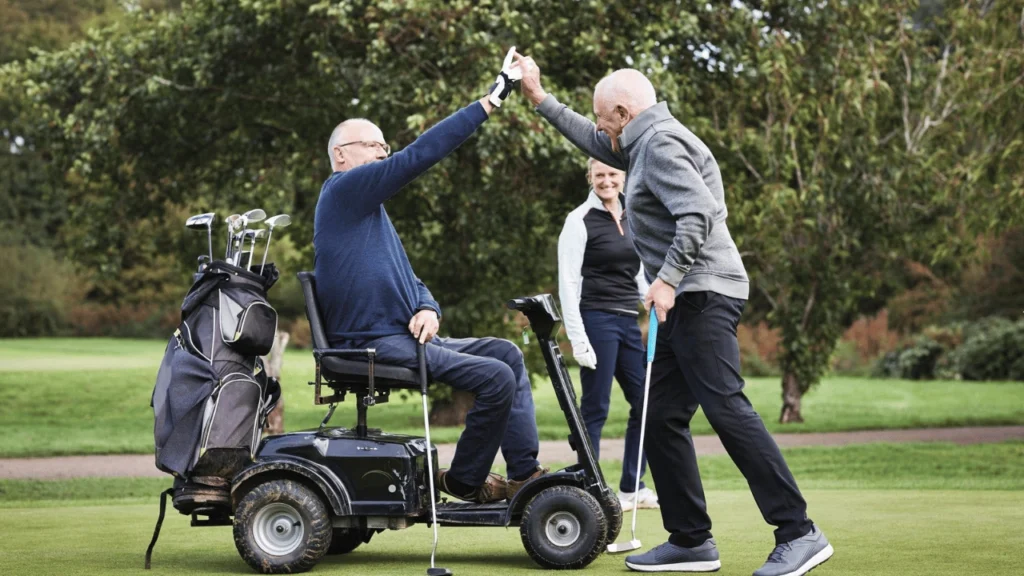
Mobility scooters can help seniors who tire during longer walks. Best mobility scooters for seniors 2026 often focus on comfort, battery life, and stable steering. Seniors should feel comfortable turning, braking, and stopping safely.
Electric Wheelchairs for Higher Mobility Support
Electric wheelchairs support seniors when walking becomes unsafe or exhausting. Foldable electric wheelchairs for travel can help with portable seated support. Comfort, turning space, and battery range should be reviewed first.
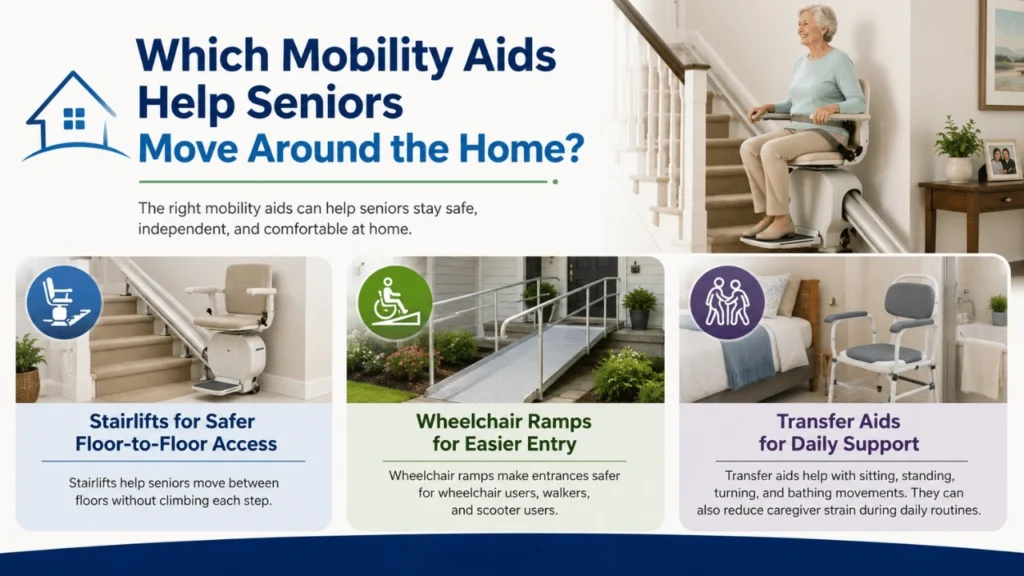
Which Mobility Aids Help Seniors Move Around the Home?
Home mobility aids help seniors use familiar spaces with less strain. They are helpful when stairs, entry steps, bathrooms, or transfers become difficult.
Stairlifts for Safer Floor-to-Floor Access
Stairlifts help seniors move between floors without climbing each step.
Wheelchair Ramps for Easier Entry
Wheelchair ramps make entrances safer for wheelchair users, walkers, and scooter users.
Transfer Aids for Daily Support
Transfer aids help with sitting, standing, turning, and bathing movements. They can also reduce caregiver strain during daily routines.
Which Bathroom Mobility Aids Are Best for Senior Safety?
Bathrooms are common fall-risk areas at home. Wet floors, hard surfaces, and tight spaces can make movement difficult. Walk-in tubs can help seniors who struggle with high tub walls. Barrier-free showers support easier access for wheelchair users and people using walkers. Grab bars, shower seats, and raised toilet seats can improve transfer support. These upgrades should match the senior’s mobility level and bathroom layout.
Which Mobility Aids Are Best for Wheelchair Users?
Wheelchair users often need solutions that improve access throughout the home. The goal is to make movement smoother, safer, and less stressful. Wheelchair ramps can help at front doors, in garages, on porches, and at thresholds. Vertical platform lifts can help when ramps need too much space. For some seniors, electric wheelchairs or scooters support more independence. These options should fit the home’s turning space, doorway width, and daily routine.
How to Choose the Right Mobility Aid for an Elderly Parent?
Choosing the right mobility aid starts with daily safety concerns. Notice where your parent feels unsteady, tired, or uncomfortable. Stairs, bathrooms, entryways, and chairs often reveal the biggest challenges.
Also consider strength, balance, coordination, and upper-body support. Some aids require steady hands and good posture. Others need enough space, secure installation, or caregiver assistance.
The home layout matters too. Narrow hallways, steep stairs, raised thresholds, and small bathrooms can affect the right choice. The best option should fit both the person and the home. The right aid should feel practical, comfortable, and easy to use daily.
Best Home Mobility Aids for Seniors by Need
The best mobility aid depends on where daily movement feels difficult. Some seniors need help with stairs. Others need safer bathing, easier entryways, or better support during transfers. This table compares common home mobility aids and when each option may be most helpful.
| Mobility Aid | Best For | When to Consider It |
| Stairlift for seniors | Safer stair access | When stairs feel painful, tiring, or unsafe |
| Wheelchair Ramp | Step-free entry | When steps block safe access |
| Walk In Tub | Safer bathing | When stepping over a tub feels risky |
| Barrier Free Shower | Easier shower access | When walker or wheelchair access is needed |
| Transfer Aid | Safer movement support | When bathing or transfers need extra stability |
| Vertical Platform Lift | Wheelchair access between levels | When ramps or stairs are not practical |
| Lift Chair | Sitting and standing support | When rising from chairs feels difficult |
What Safety Features Should Seniors Look for in Mobility Aids?
Safety features should match the equipment and the user’s needs. Look for stable frames, non-slip surfaces, secure grips, brakes, and proper weight capacity. Canes should have non-slip rubber tips for better floor contact. Rollators and wheelchairs may include shock absorption for smoother movement.
For powered equipment, battery backup and easy controls are important. Stairlifts and lifts should also include seat belts, sensors, and secure installation. Strong materials, including carbon fiber frames, can improve portability in some mobility aids.
Final Thoughts on the Best Mobility Aids for Seniors in 2026
The best mobility aids for seniors in 2026 are those that meet daily needs. Some seniors need safer stair access. Others need easier bathing, smoother entryways, or better transfer support. Choosing the right solution can reduce fall risks and caregiver strain. Small changes made today can support safer, more comfortable living for years.
At HomePRO Mobility, we help families create safer and more accessible homes. From stairlifts and ramps to walk-in tubs and barrier-free showers, our team offers practical guidance and professional installation. We will help you choose solutions that support safety, comfort, and independent living.
Frequently Asked Questions
Mobility aids should be checked regularly for loose parts, worn grips, weak brakes, or battery issues. Families should inspect frequently used equipment more often to keep it safe.
A senior may need support if they avoid stairs, struggle standing, or feel unsteady. Frequent fatigue, near-falls, or caregiver strain are also warning signs.
Lift chairs, transfer aids, raised toilet seats, and grab bars can help with sitting and standing support. The best option depends on where standing feels difficult most often.
